Spider Silk Yarn Goes Commercial: What the First Shipment Means for Scarf Buyers in 2026
Kraig Labs shipped its first commercial recombinant spider silk yarn in October 2026, aimed at performance textiles. Here is what the debut of novel high-performance fibres means for wholesale scarf buyers, and how to verify a luxury or performance fibre claim before you order.
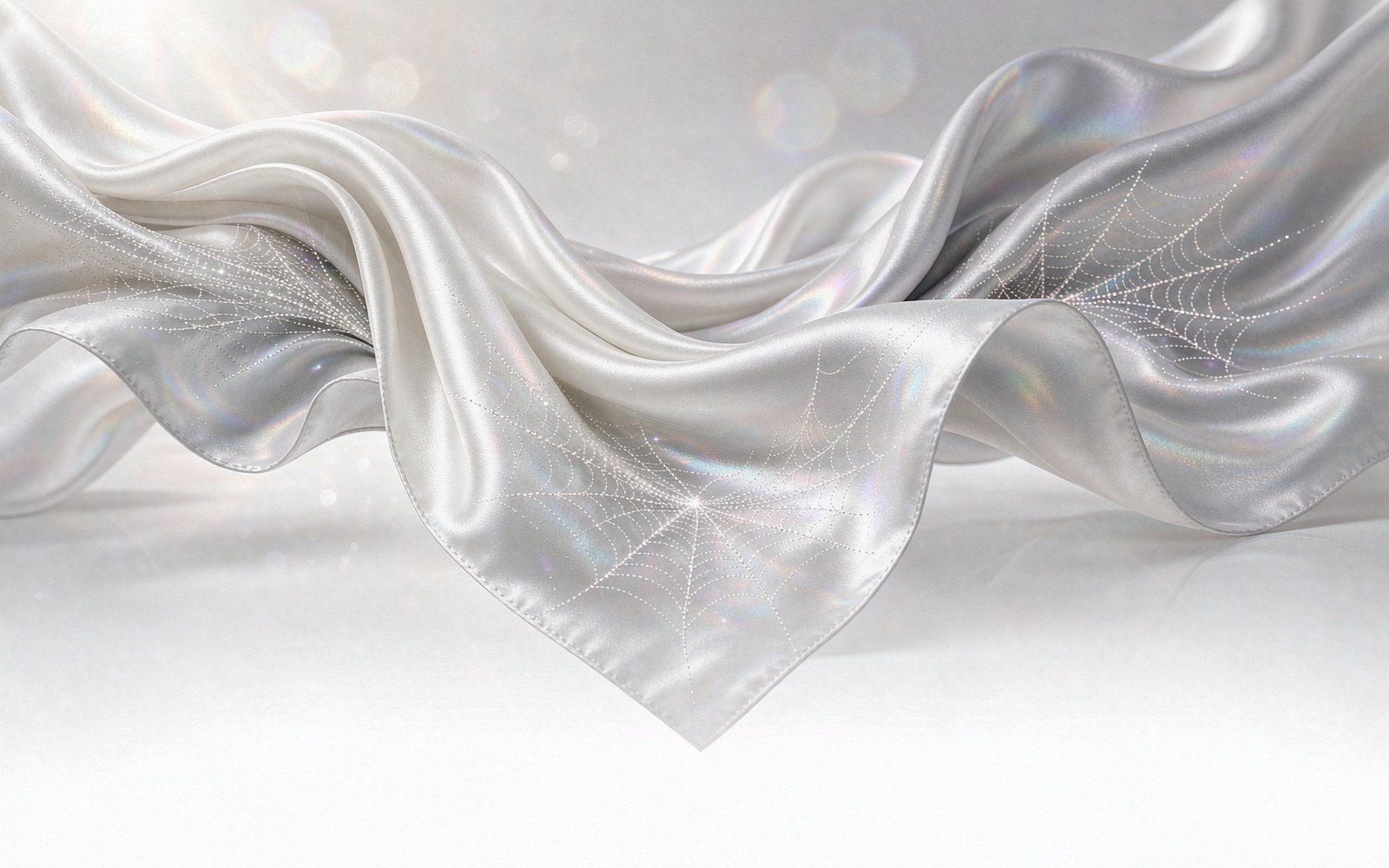
Why a spider silk shipment is a scarf story, not just a sportswear headline
On 1 October 2026, Kraig Biocraft Laboratories shipped its first commercial order of recombinant spider silk yarn, fulfilling a purchase commitment from an unnamed global performance sports brand and feeding a confidential pilot for performance textiles (Knitting Industry, 1 October 2026). For scarf buyers, the signal is not 'buy spider-silk scarves tomorrow' — it is that a novel high-performance fibre has crossed from lab to a paid, customer-led order. That is the kind of material innovation that eventually trickles into luxury and performance winter accessories, and it is worth understanding before suppliers start quoting 'next-generation' fibres at you.
What recombinant spider silk actually is (and isn't)
Kraig Labs' technology uses genetically engineered silkworms that incorporate key spider silk proteins to produce recombinant spider silk. The developer says the resulting material combines strength, flexibility, toughness and low weight, which it argues suits demanding performance applications. Read that carefully: those are the developer's claims tied to a small, precision pilot for athletic apparel — not an off-the-shelf scarf yarn that you can order by the metre today. Treat the material's scarf relevance as a watch-item, not a procurement fact, until a supplier can show you the actual yarn, the construction, and third-party test data on the scarf you would buy.
The bigger fibre picture buyers should watch
The spider silk shipment lands against a much larger backdrop. According to Textile Exchange's Materials Market Report 2026, global fibre production reached a record 139 million tonnes in 2025, with polyester representing 59% of total production. Bio-engineered and other novel fibres remain a small slice of that total, but the direction is clear: material innovation is moving from research notes toward commercial scale. For buyers, the practical lesson is to stay curious about new fibres while keeping verification at the centre of every 'new material' conversation.
A buyer's checklist for evaluating novel or luxury scarf fibres
- Treat any 'new fibre' claim as a hypothesis, not a fact. Ask for a third-party fibre-content test report and a composition breakdown on the exact yarn and construction you would purchase.
- Request documentation on how the fibre is produced and whether it carries recognised certs — for restricted-substance safety, ask for OEKO-TEX or REACH documentation relevant to your market; if a recycled claim is involved, ask for GRS or RCS certificates that name your supplier. (Spider silk itself is not a recycled-standard material, so don't accept a recycled label by association.)
- Ask for performance data — strength, abrasion resistance, colourfastness — on the actual yarn or finished scarf, not on the headline material in a press release.
- Run a low-MOQ sample before committing volume. Novel fibres can behave differently in dyeing and finishing, so verify hand-feel, consistency, and colourfastness on a real sample.
- Confirm MOQ, lead time, and batch consistency in writing. A supplier's ability to deliver repeatable batches matters more than the novelty of the fibre.
- Verify traceability: find out whether the fibre claim is backed by the mill and a chain of custody, or is a brand-level marketing line with no paperwork behind it.
Where our own range fits
We run a scarf program built for wholesale and private-label buyers, with materials we can actually document rather than hype. We are not going to tell you a scarf is 'next-generation' unless we can hand you the test reports and composition data your market requires. If you are weighing new fibres against proven ones, start with our shawl collection, our soft-touch long scarf, and our private-label development process — each is structured for low-MOQ trials and the paperwork buyers ask for. See the [shawl collection](https://bulkscarves.com/collection/shawls/), the [soft-touch long scarf](https://bulkscarves.com/product/soft-touch-long-scarf/), and our [private-label scarves](https://bulkscarves.com/private-label-scarves/) page.
Frequently asked by buyers
Does the commercial spider silk shipment mean I can order spider-silk scarves now? Not directly — this is a precision pilot for performance apparel, and the fibre is not yet a catalogue scarf yarn. The useful move is to ask any supplier quoting a 'new fibre' for the actual fibre composition and third-party test reports rather than assuming availability.
How do I verify a 'luxury fibre' claim? Ask for a third-party fibre-content test report and any relevant certificates (OEKO-TEX or REACH for safety; GRS/RCS only if a recycled claim is made). A verbal or marketing claim is not evidence.
What is a sensible first order for a new fibre line? A low-MOQ trial run that lets you verify hand-feel, colourfastness, and batch consistency before scaling to volume.
The takeaway for 2026
Recombinant spider silk reaching a paid commercial order shows that material innovation is no longer theoretical — but for scarf buyers, the edge has never been 'who names the newest fibre'. It is who samples, tests, and documents what they actually buy. Whether a supplier is quoting spider silk, regenerated fibre, or a classic cashmere blend, the buyers who win are the ones who confirm composition and performance on a real sample before the deposit goes out.
Want our luxury and performance scarf catalog with the documentation buyers ask for? Reply 'Catalog' and we will send the range — shawls, soft-touch knits, and private-label options — to your buying desk.
Send the intended market, quantity range and reference style. We will confirm production specifications in writing before quotation.
Request a quote